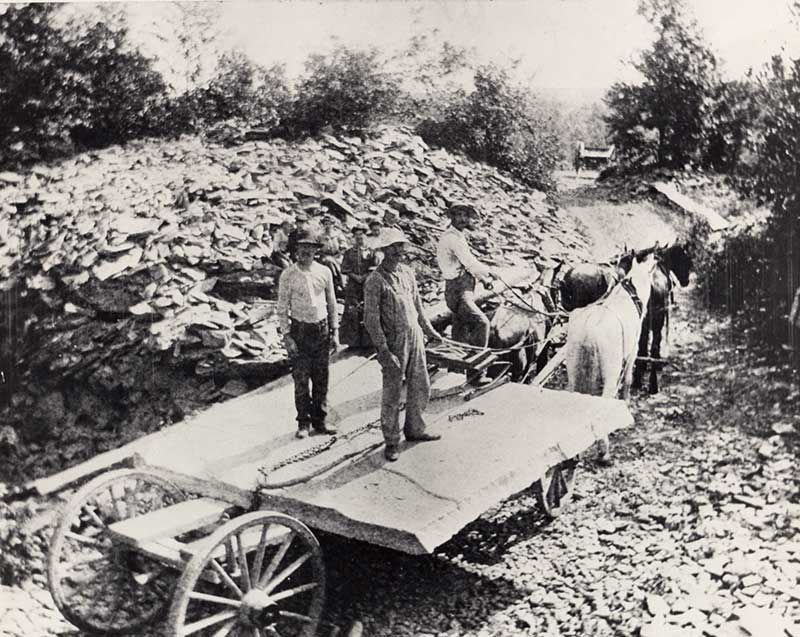
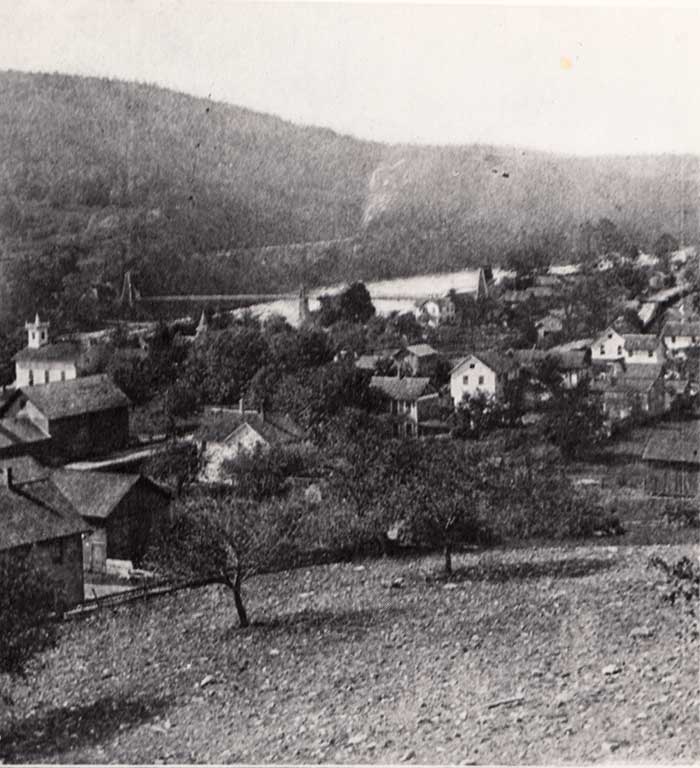
Bluestone in the early 1900s
Posted in Echo Hill and Mountain Grove, Old Photos
Comments Off on Bluestone in the early 1900s

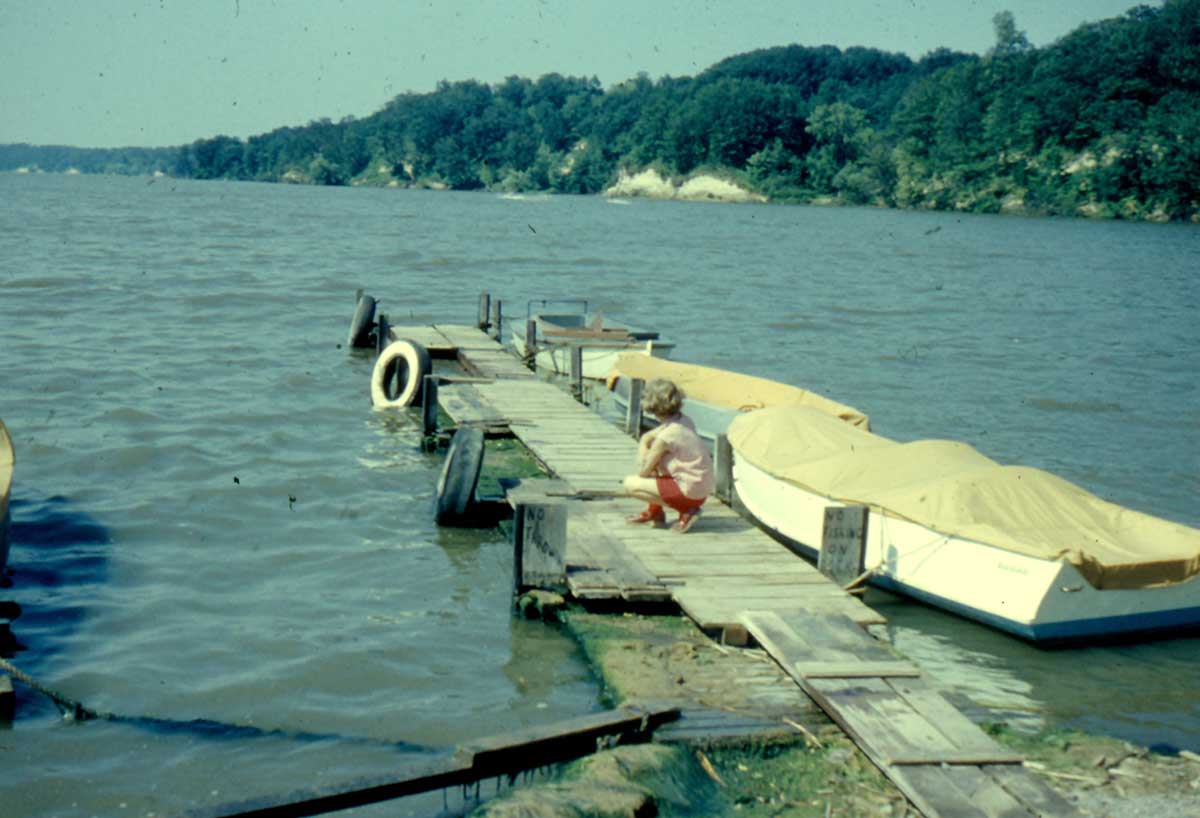
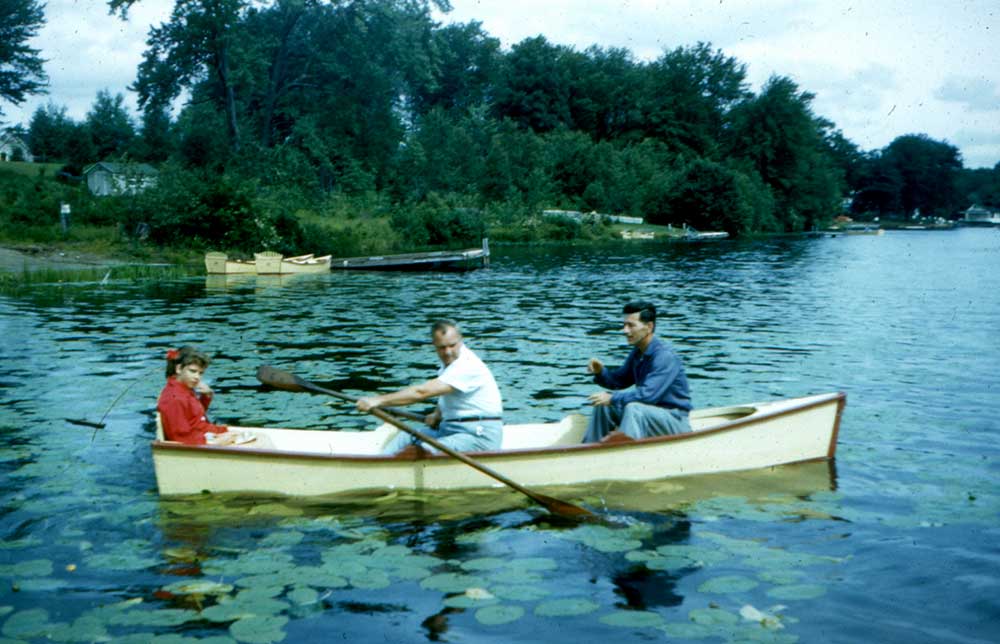

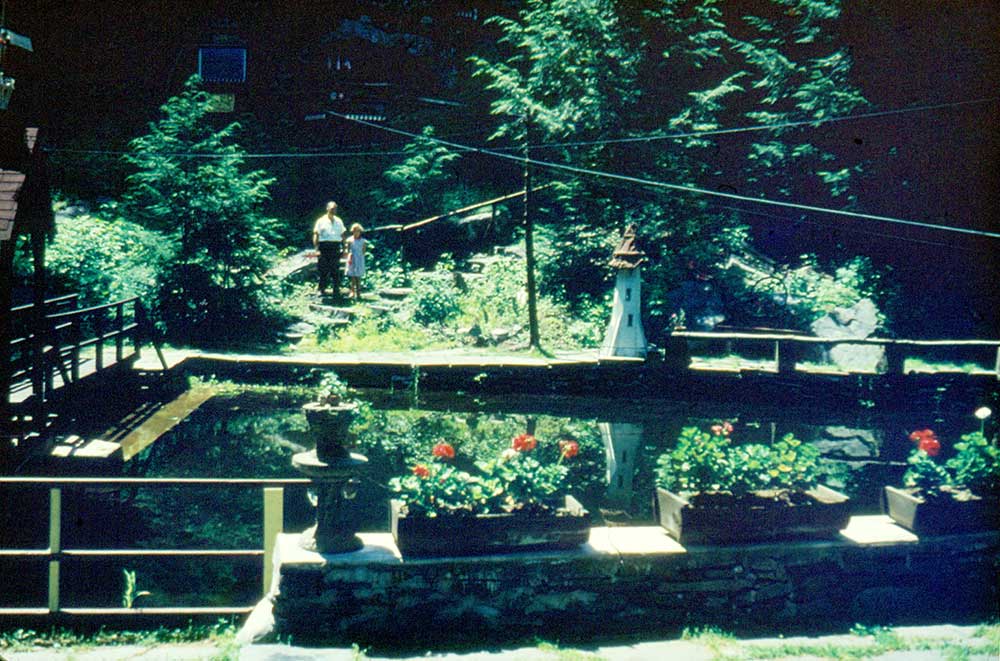
Mr. Keller—the Swiss friend of the Wolffs—had a wonderful, magical backyard. His place, on the road between Barryville and Yulan, had wooden creations that worked with flowing water. Cookie remembers yodeling music and waterfalls.—Information courtesy of friends Doris S. and Cookie W.
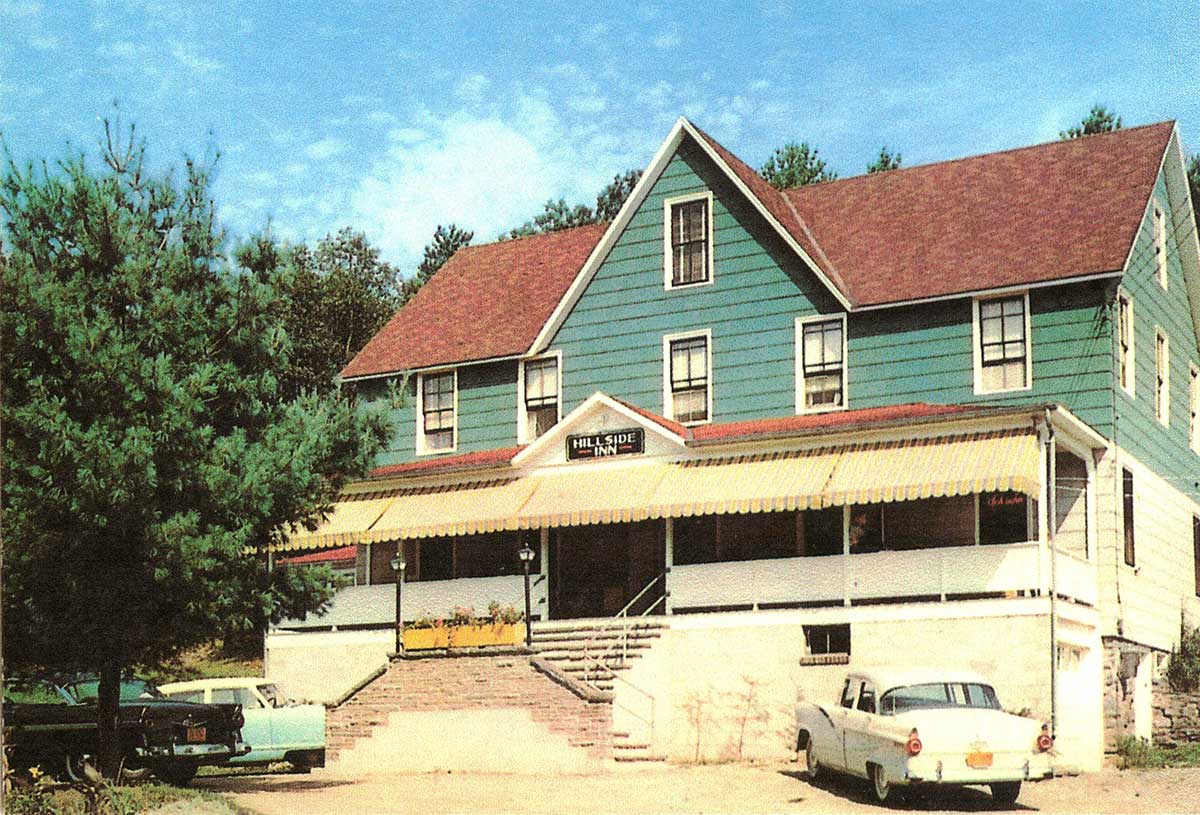
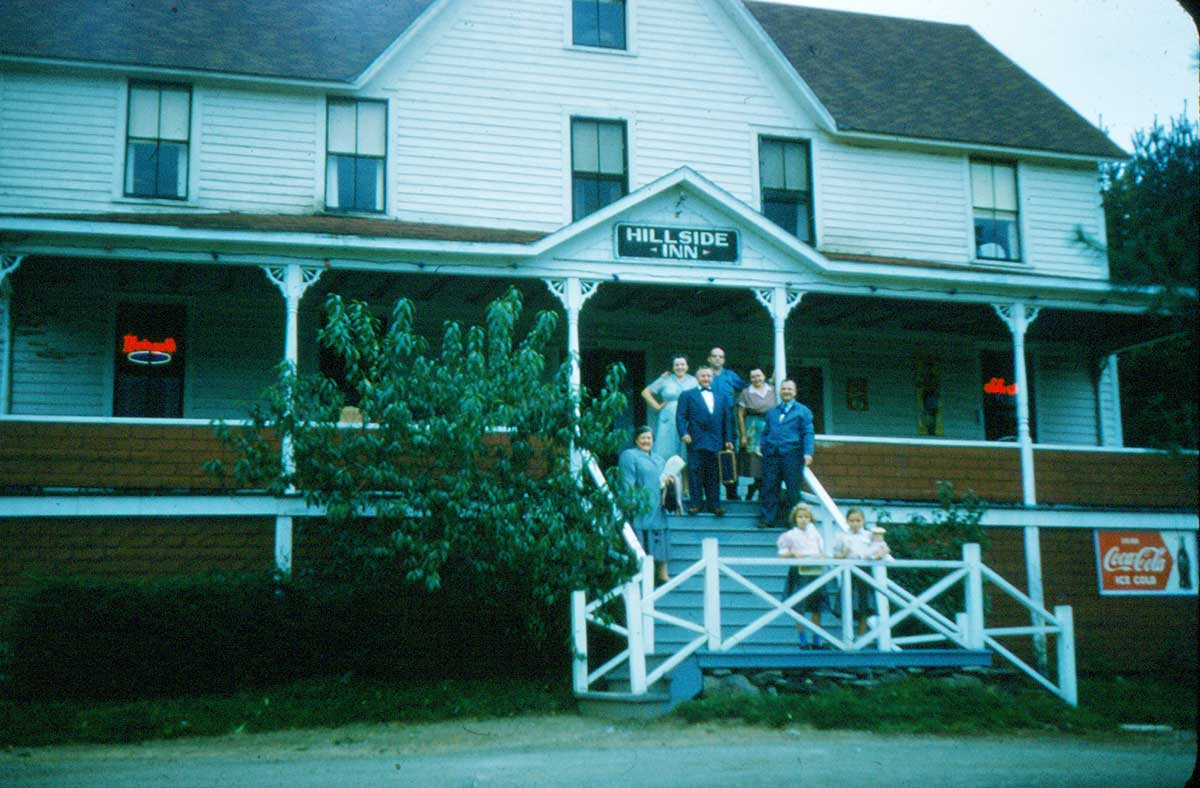
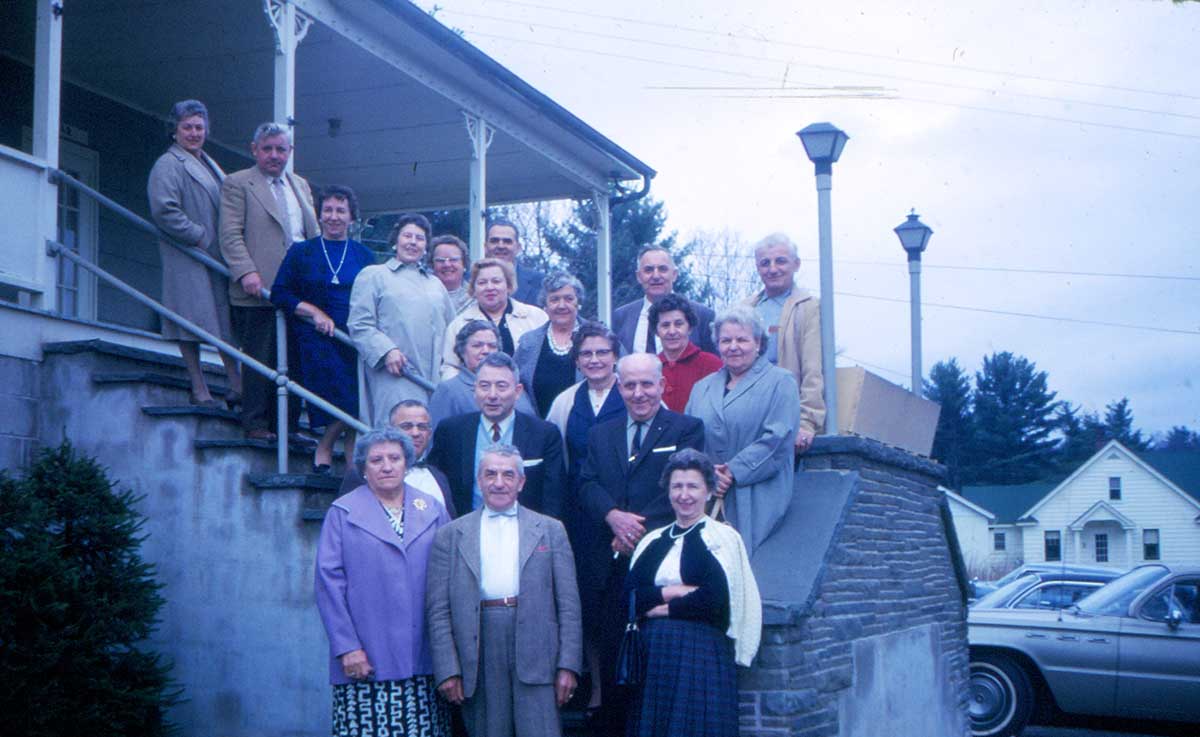
Doris Stegmaier Schmidt recently left a comment on this Halfway Brook site. She emailed me some more memories and photos relating to Hillside Inn which I thought Halfway Brook would enjoy reading and seeing. (Click on photos to enlarge.)
I think of the old days and the Hillside Inn a lot. About 10 years ago, my husband had found an article on Google that the Inn had burned down. My parents and I spent a lot of time there in the summers, and took other friends there also.
My mother, Clara Stegmaier, grew up with Helen Fuchs and Maria Fuchs (sisters) who immigrated to New York from Waiblingen, Germany. Maria worked at the inn as waitress and she had a house near the crossroads.
Louise (Cookie) Wolff, daughter of Helen and Alfred of the Hillside Inn, and I were together in the summers when my parents drove us from Philadelphia to Yulan.
The “German cuisine” (see comment), and my mother’s cooking was identical (Schwaebisch). My father loved the Rheingold beer, that I remember. Continue reading
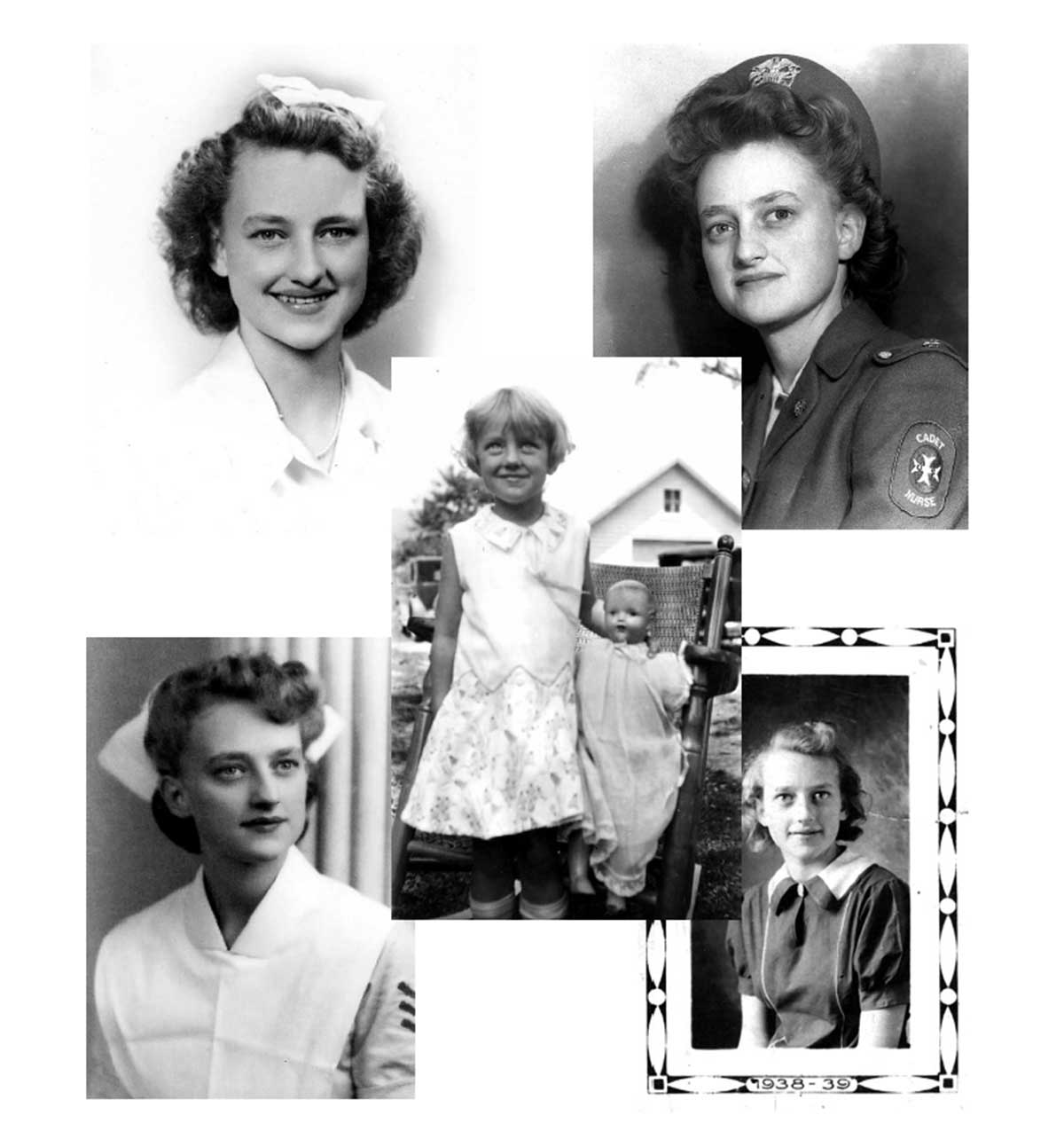
This post is a little late in wishing Mom (a major player in the Halfway Brook Books) a Happy 90th Birthday on this site.
My three siblings expertly planned what was hoped to be a surprise (and it was) weekend of events for Mom. Family from six states were in on the plan.
I supplied photos for a DVD one of my sisters put together. And (enjoyed in Arizona) the surprise as it unfolded with texts and photos sent to me, as I recuperated (and still am) from a broken leg.
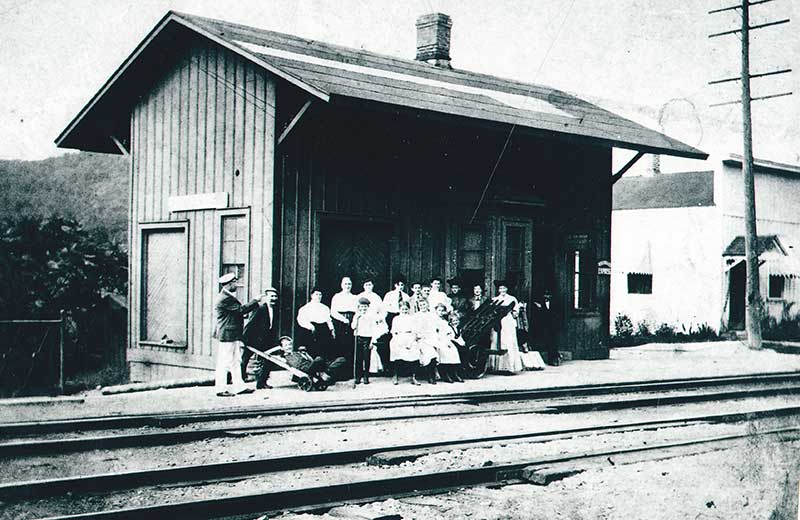
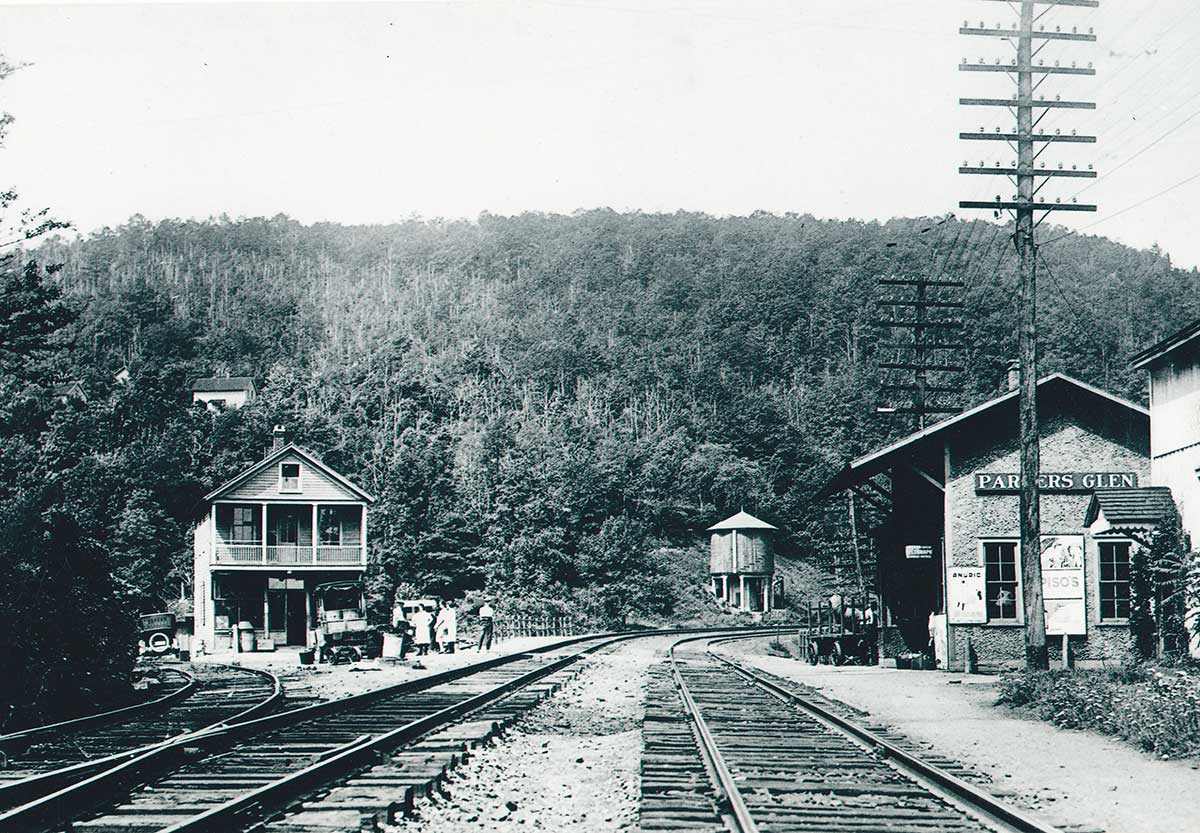
Carr’s Rock, Parkers Glen
Parkers Glen was originally named Carr’s Rock. Carr, a raftsman, had been stranded there one night after his raft had been wrecked, according to George J. Fluhr, Historian for Pike County, Pennsylvania.
In April 1868, there had been a terrible train accident at Carr’s Rock. Forty people died and 75 were injured. To try and erase that memory, the name was changed to Parkers Glen to honor Elijah Strong Parker, a partner of John Fletcher Kilgour.
Parkers Glen [has] a stone plant for the purchase, manufacture, and sale of building and other stones.
There is a number of tenement houses, a store house, a depot of the Erie Rail Road Company, a well equipped stone mill for planing, rubbing, and shaping stone after almost any required pattern.
Connected with it is a large tract of land from where a vast quantity of stones have been quarried and hauled to the mill and the dock.
The business was first put in operation by John F. Kilgour, who soon after persuaded a Mr. Parker, formerly of New York City, to become his partner.
Parker was an honest, confiding man, who…by reason of his naturally innocent…disposition, was the least of all men fitted to enter such a partnership with safety…After 2 or 3 years trial, he left it a poor man…From him the place was named…—Johnston, “Reminiscences” pp. 224, 225.
Minisink Ford and Lackwaxen
Most boarding houses in Highland were located near Eldred, Yulan, Barryville, or Hagan Pond (called Venoge in 1897).
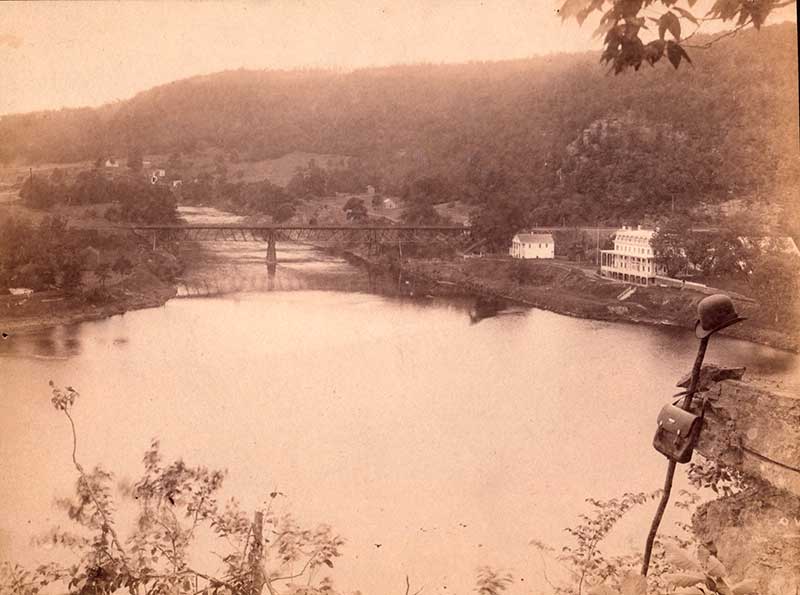
At some point at least two hotels/houses were located in the other hamlet, Minisink Ford, about four miles west of Barryville, near the Roebling Aqueduct.
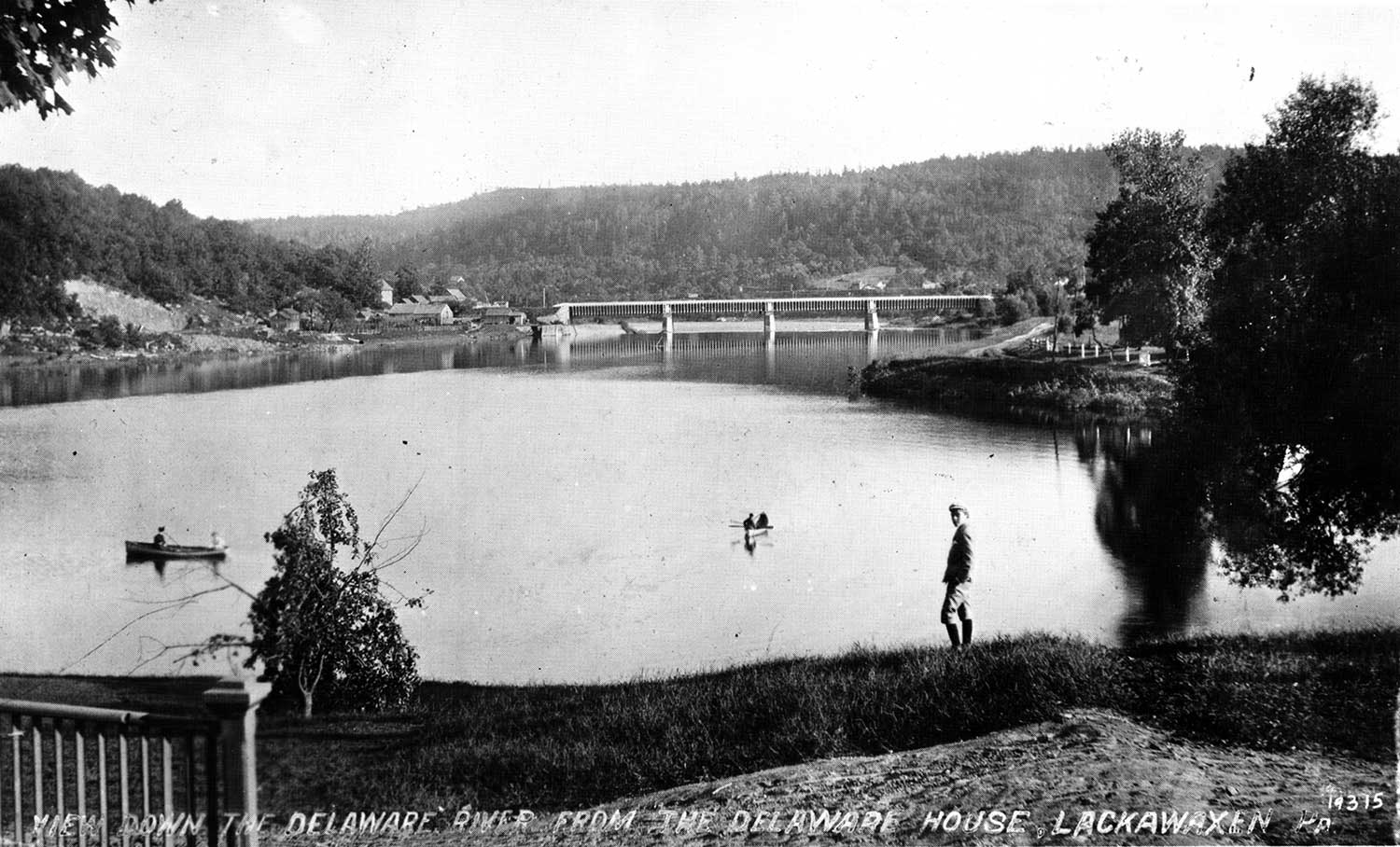
The Lackawaxen and Delaware Rivers joined north of the Aqueduct on the Pennsylvania side. The large Delaware House (see previous post photo) was built north of the Lackawaxen River by William Holbert in 1852. The Delaware House was advertised in the Erie Railway Booklets from 1882 on, and at least by 1884 in the newspaper.
Delaware House, 1882
Mrs. M.A. Holbert Proprietor; F.J. Holbert, Manager. 1/3 of a mile on banks of Delaware at junction of Lackawaxen. Conveyance free. Accommodates 100; 15 single rooms; 50 double rooms; $10 to $12; $2 per day. Discount for season. Two cottages attached. Boating for a mile on river. Black bass fishing in front of house. Boats free. Livery furnished; $5 per day. Best of references. Fresh vegetables, butter, eggs, milk, etc. from farm. Guides obtained.
—Erie Railway Brochure, 1882.
Delaware House, 1884
A popular Summer resort on the Erie Road and banks of the Delaware and Lackawaxen Rivers; everything first class; boating, bathing and fishing; boats free; reduced rates for June and September; circular. F.J. Holbert, Agent.
—Brooklyn Daily Eagle, June 11, 1884.